

The first of our Northern Italy travel series.
January 2, 2026
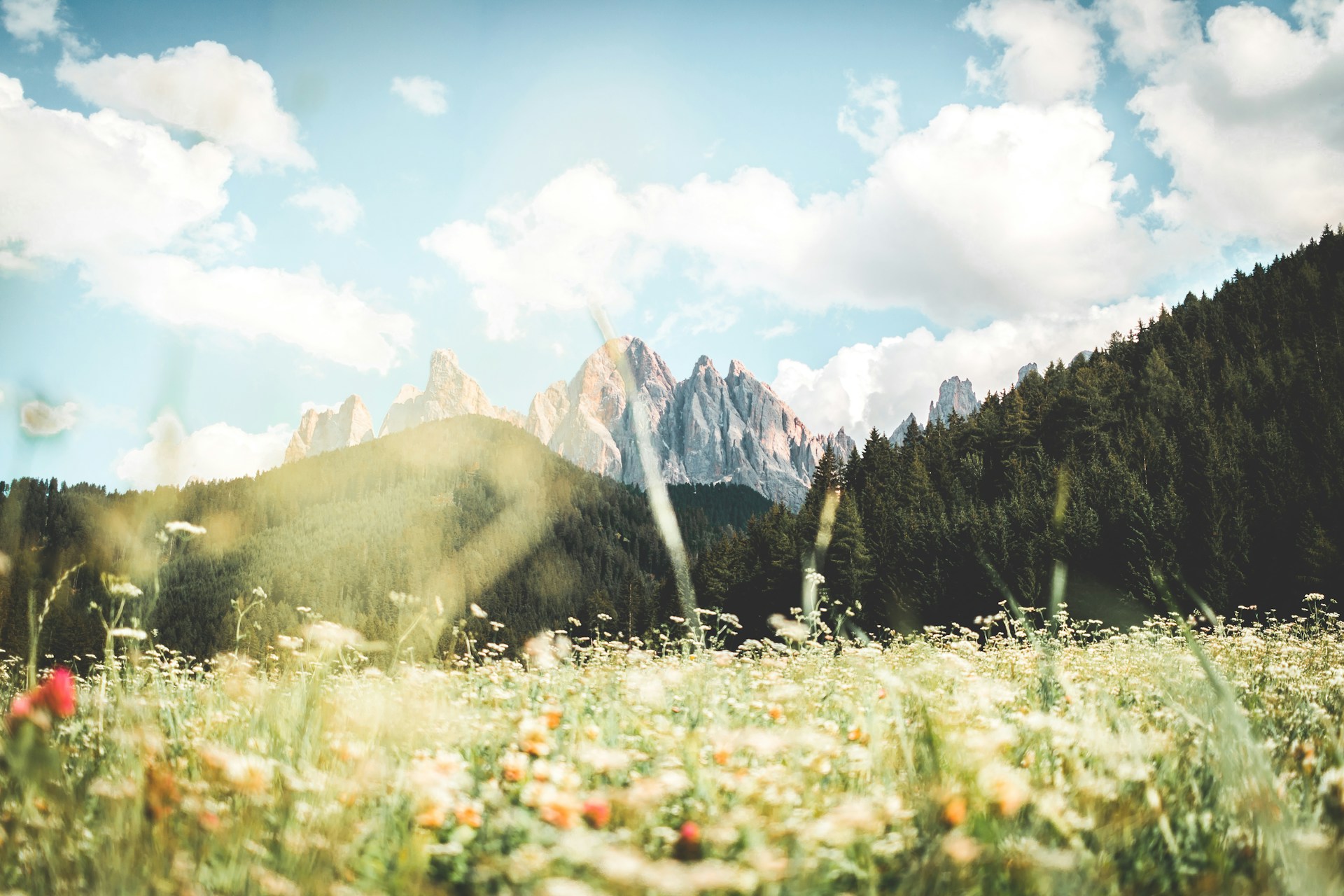
Crowned by the dramatic peaks of the Dolomites, Northern Italy is one of the country’s most rewarding destinations, where alpine landscapes are punctuated by Renaissance cities — and a strong sense of regional identity joins the dots. As we count down to the 2026 Winter Olympics, let this series of articles inspire your authentic escape to Northern Italy in all four seasons.
Northern Italy stretches from the Swiss and Austrian borders to the Po Valley, and includes the regions of Lombardy, Veneto, Piedmont, Trentino-Alto Adige/South Tyrol, and Friuli Venezia Giulia. The region’s appeal lies in its contrasts, with Milan, Italy’s fashion and financial capital, and Venice, the ethereal lagoon city, serving as the primary getaways to exploring the rural regions. Verona, famed for Roman ruins and Shakespearean romance, is another urban contender for a Northern Italy itinerary while Turin charms with its elegant cafés and museums.
The Dolomites, a UNESCO World Heritage Site, slice through the Trentino-Alto Adige, Veneto, and South Tyrol regions. These jagged limestone peaks radiate a pink hue at sunset, creating a phenomenon known as enrosadira that illuminates these alpine meadows and storybook villages. Key bases include Cortina d’Ampezzo, Ortisei, Canazei, and San Cassiano. Nature enthusiasts are equally drawn to Northern Italy’s pristine lakes, such as Lago di Braies, Lago di Carezza, and Lake Garda, where alpine scenery meets Mediterranean charm.
Northern Italy is ideal for travellers seeking a variety of experiences without long distances. You may encounter priceless worlds of art one day, sip wine in a vineyard the next, and hike above the clouds the day after. The region offers a more relaxed, refined atmosphere than some of Italy’s busier southern destinations, with excellent infrastructure, high-quality accommodation, and a firm focus on seasonal, local food.
The Dolomites are culturally layered, demonstrated in particular in South Tyrol’s bilingual towns and through local Tyrolean architecture. Scenic drives like the Great Dolomites Road and cable cars to viewpoints make the mountains accessible even to non-hikers.
For luxury travellers, the area shines with boutique mountain lodges, historic grand hotels, spa retreats, and Michelin-starred restaurants. These are often paired with the likes of helicopter flights, private wine tastings, or sunrise hikes followed by gourmet breakfasts in alpine huts.

Northern Italy and the Dolomites may be visited in any season. Late May through September is ideal for hiking, cycling, and lake activities; July and August bring the hottest temperatures but also peak crowds. December until March brings world-class skiing to the region’s slopes and festive cheer to its alpine villages in the countdown to Christmas. Early spring and late autumn are quieter and atmospheric with excellent photography opportunities, though some lifts and trails may be limited outside the main seasons.
Northern Italian cuisine is hearty and comforting, with such dishes as canederli (bread dumplings), speck (smoked ham), polenta, and wild game leading the way. South Tyrol excels in cheeses and pastries like strudel and Piedmont is commended for its truffles — these are typically foraged in autumn and winter. Classics from Veneto and Lombardy include risotto alla Milanese, bigoli pasta, sarde in saor, and baccalà. Lake Garda is revered for its olive oil and citrus production; the broader region is celebrated for wines such as Prosecco, Amarone, Barbaresco, Barolo, and Lagrein.
Stay tuned for further articles diving into regions, cuisine, and activities available to travelers in Northern Italy and the Dolomites — and a suggested itinerary for the Winter Games. Contact Darby’s Destinations today to discuss a bespoke getaway.


.jpg)
Darby’s Destinations LLC, an accredited IATAN Travel Agency, located at 221 Tremont Street, Mansfield, MA 02048 USA. While our clients have had great experiences with the travel suppliers featured on this website, Darby’s Destinations LLC is not an employee, agent, or representative of these suppliers and, therefore, cannot make any promises regarding the service clients will receive with a particular supplier. Before booking a trip, clients are responsible for reviewing the services offered by the supplier, along with any terms, conditions, and exclusions.
Copyright © 2026, All Rights Reserved.
