

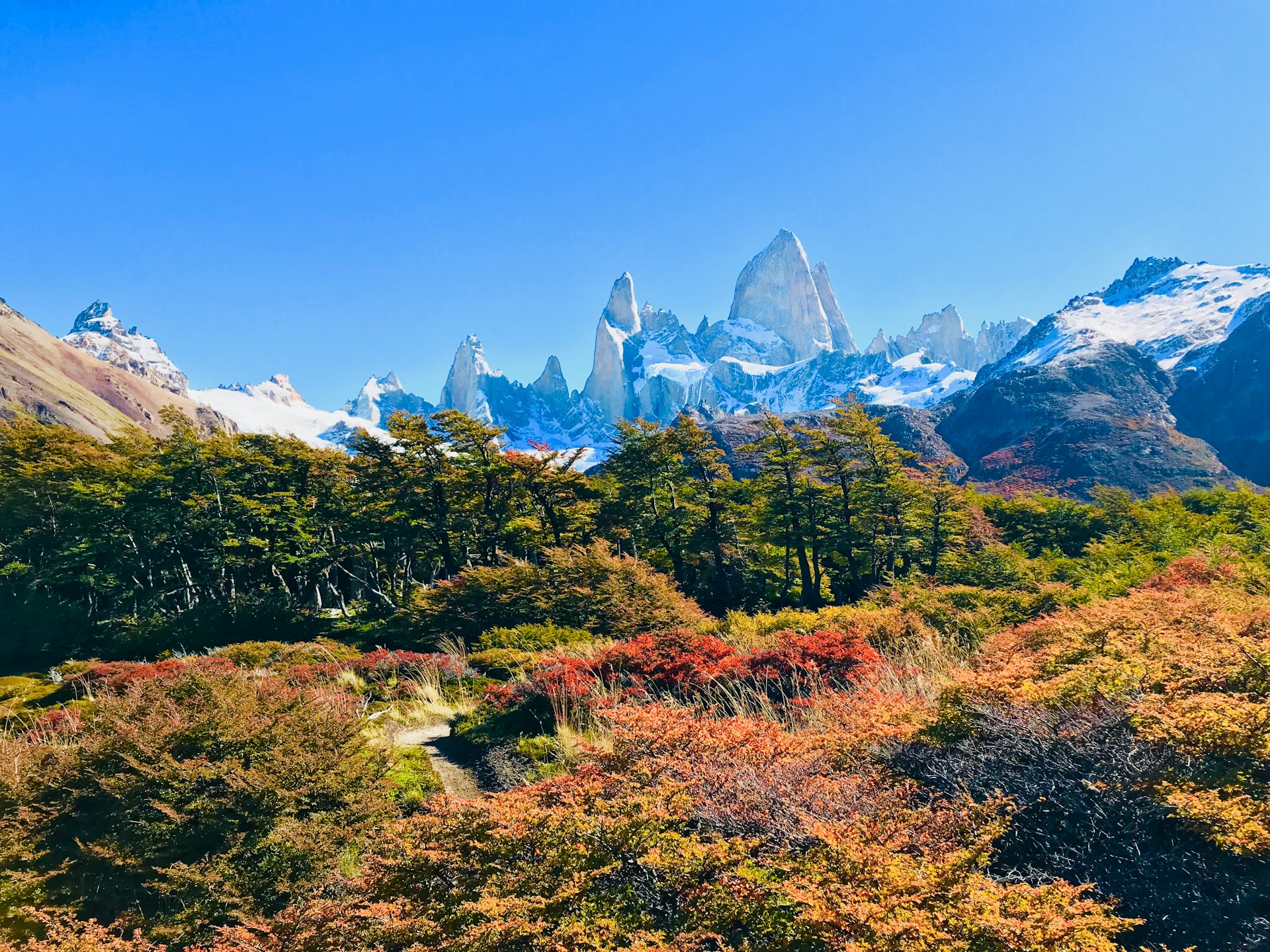
Exploring the country that reads like a greatest-hits list of natural landscapes.
October 2, 2026
Stretching more than 2,600 miles along the western edge of South America, Chile’s geography reads like a greatest-hits list of natural landscapes. This skinny country is home to the world’s driest non-polar desert, glacier-carved mountains, temperate rainforests, fertile vineyards, Pacific beaches, and volcanoes soaring above thermal springs. This diversity makes it possible to combine very different experiences in a single trip, though careful planning is key to a rewarding experience in Chile.
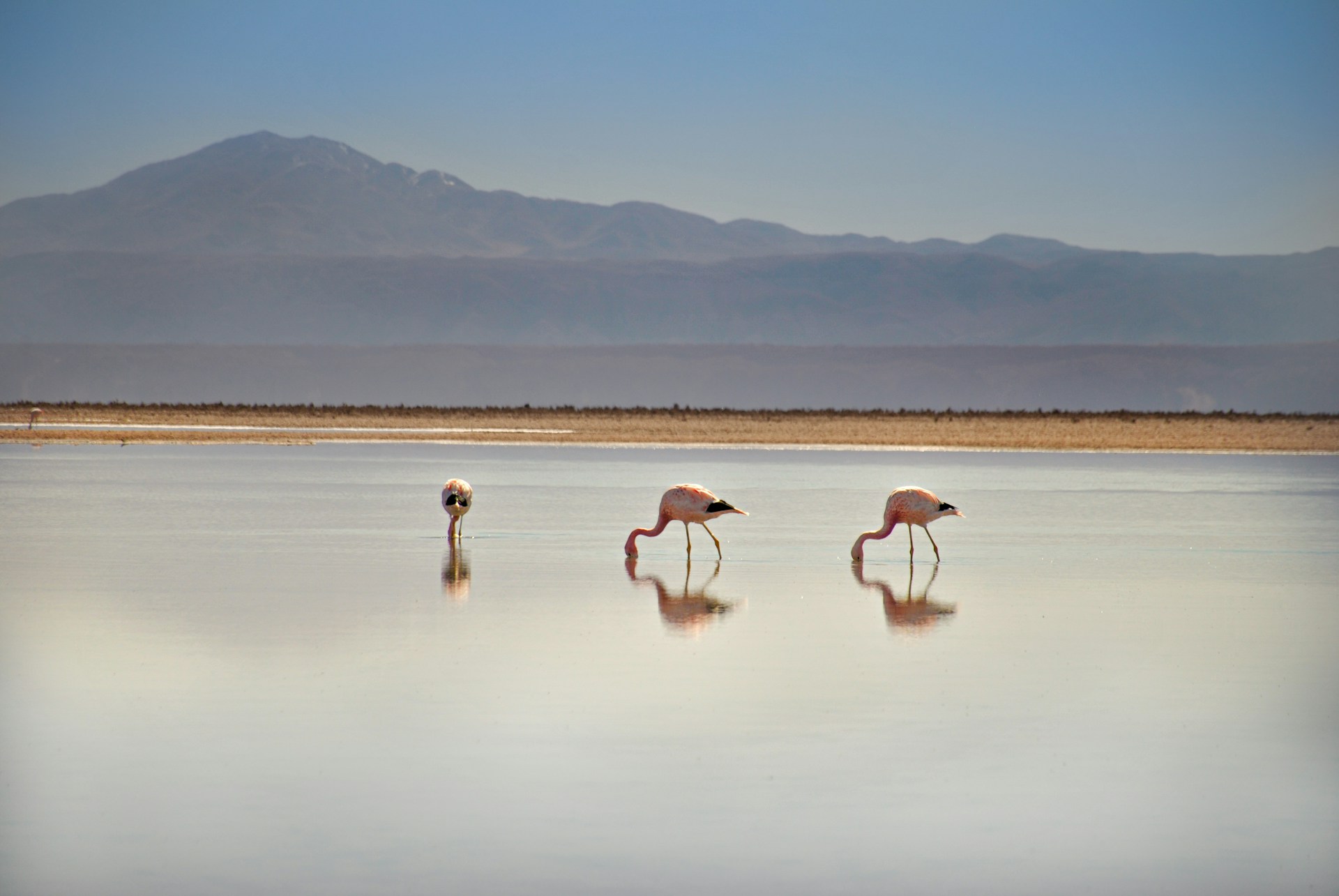
The Atacama Desert shows Chile at its most otherworldly. Unfolding around the adobe town of San Pedro de Atacama, the area’s high-altitude valleys, salt flats, geysers, lagoons, and volcanic peaks create a landscape that feels almost lunar. The Atacama and the nearby Elqui Valley (Chile’s “Little North”) are premier destinations for stargazing, thanks to the incredibly clear, dry skies that grace northern Chile.
In the far south, Patagonia’s Torres del Paine National Park is a wonderland of turquoise lakes, windswept forests, glaciers, and granite massifs. Upscale all-inclusive wilderness lodges connect guests with the terrain through guided hikes, scenic drives, horseback riding, and wildlife watching, before recuperating in utmost comfort.
The Chilean Lake District regions of Los Ríos, Los Lagos, and Araucanía are defined by forests, volcanoes, rivers, and lakes. Travelers can encounter German-influenced architecture and cuisine in Puerto Varas and Frutillar and sample exceptional beer in Valdivia. The island of Chiloé immerses travelers in Chilote mythology, seafood, and the UNESCO-designated wooden churches constructed by the Jesuits.
Chile’s wine regions stretch from the outskirts of Santiago into the Central Valley. Maipo is known for its Cabernet Sauvignon, while Colchagua and Cachapoal excel at Carmenère, Chile’s coveted red grape. Hotel VIK Retreat combines top-quality wine experiences with artistic accommodations amid the vines. Being closer to the Pacific coast, the Casablanca Valley is revered for its crisp Sauvignon Blanc and Chardonnay wines, which pair perfectly with Chilean seafood dishes.
Part of the Valparaíso region, Easter Island (Rapa Nui) impresses with its monumental moai statues, archaeological sites, and living Polynesian culture.
September through April generally offers the best conditions overall for visiting Chile. Spring (September-November in the Southern Hemisphere) and fall (March-May) are particularly pleasant for wine country and cities like Santiago and Valparaíso.
December through February (summer in the Southern Hemisphere) is prime for Patagonia and the Lake District before brisk winters and heavy rainfall set in. Visiting the south in November or March brings the most agreeable weather and fewer crowds.
The Atacama Desert can be visited year-round, although winter (June-August) is the best time for stargazing. Easter Island is another year-round destination, with warmer, wetter conditions during the Southern Hemisphere summer.
Internal Travel: Domestic flights connect Santiago Airport with the Atacama (Calama Airport) and Patagonia (Punta Arenas or Puerto Natales airports). Within wine regions, the Lake District, and the Elqui Valley, rental cars or private drivers provide flexibility.
Currency & Payments: Chile uses the Chilean Peso (CLP), and credit/debit cards are preferred over cash in most instances. Carrying pesos in small notes is useful for craft markets in smaller towns. An optional gratuity of 10 percent is added to bills at restaurants and cafes.
Language: English isn’t widely spoken in Chile, but most luxury hotels and established tourism businesses employ bilingual staff. Spanish speakers may still find it difficult to follow Chilean Spanish — Chileans speak exceptionally fast and pepper their speech with slang termed “Chilenismos”.
Safety: Travelers should exercise caution in Santiago and Valparaíso, where pickpocketing and phone-snatching are on the rise. Violent crime is rare, and rural areas have a track record for safety.
Documentation: Upon arrival, foreign travelers are issued a small slip of paper. This must remain with your passport at all times and be handed back to immigration personnel when departing the country.
Contact Darby’s Destinations to customize a luxury Chile travel itinerary.


.jpg)
Darby’s Destinations LLC, an accredited IATAN Travel Agency, located at 221 Tremont Street, Mansfield, MA 02048 USA. While our clients have had great experiences with the travel suppliers featured on this website, Darby’s Destinations LLC is not an employee, agent, or representative of these suppliers and, therefore, cannot make any promises regarding the service clients will receive with a particular supplier. Before booking a trip, clients are responsible for reviewing the services offered by the supplier, along with any terms, conditions, and exclusions.
Copyright © 2026, All Rights Reserved.
