

Experience Indigenous Mapuche traditions and German heritage in southern Chile.
October 9, 2026
Chile’s southern regions of Los Ríos (The Rivers), Los Lagos (The Lakes), and Araucanía present a lush landscape of snow-capped volcanoes, aquamarine lakes, temperate rainforest, rivers, hot springs, and Pacific islands.
Stretching from the coast toward the Andes, this is a part of Chile where outdoor adventure is rife — but the region’s appeal extends far beyond hiking and kayaking. Indigenous Mapuche traditions and German heritage give the area a distinctive sense of place.
The Mapuche are Chile’s largest Indigenous group, and their cultural traditions remain an important part of life in southern Chile. Most crucially, they were the only Indigenous group in South America able to resist the Spanish invasion. Travelers can encounter Mapuche communities across the regions of Los Ríos, Los Lagos, and Araucanía, learning about medicinal plants, exploring ancestral foodways, and understanding the spiritual relationship between people and the natural world.
It starts with the land itself, specifically the forest. Native trees such as the Coigüe, Ulmo, and Arrayán have long played an important role in Mapuche life for their connection to Ñuke Mapu (Mother Earth, in Mapudungun) and their role as living pharmacies. Travelers who suffer stomach issues may wish to ask for a cup of tea brewed from the leaves of the Boldo tree.
Food is another gateway into the culture, with ingredients such as maqui berries, piñones (Araucaria seeds), merkén spice, herbs, and locally harvested mushrooms present in contemporary interpretations. Community-led experiences hosted in Ruka (traditional Mapudungun homes) offer a meaningful way to connect with the region.
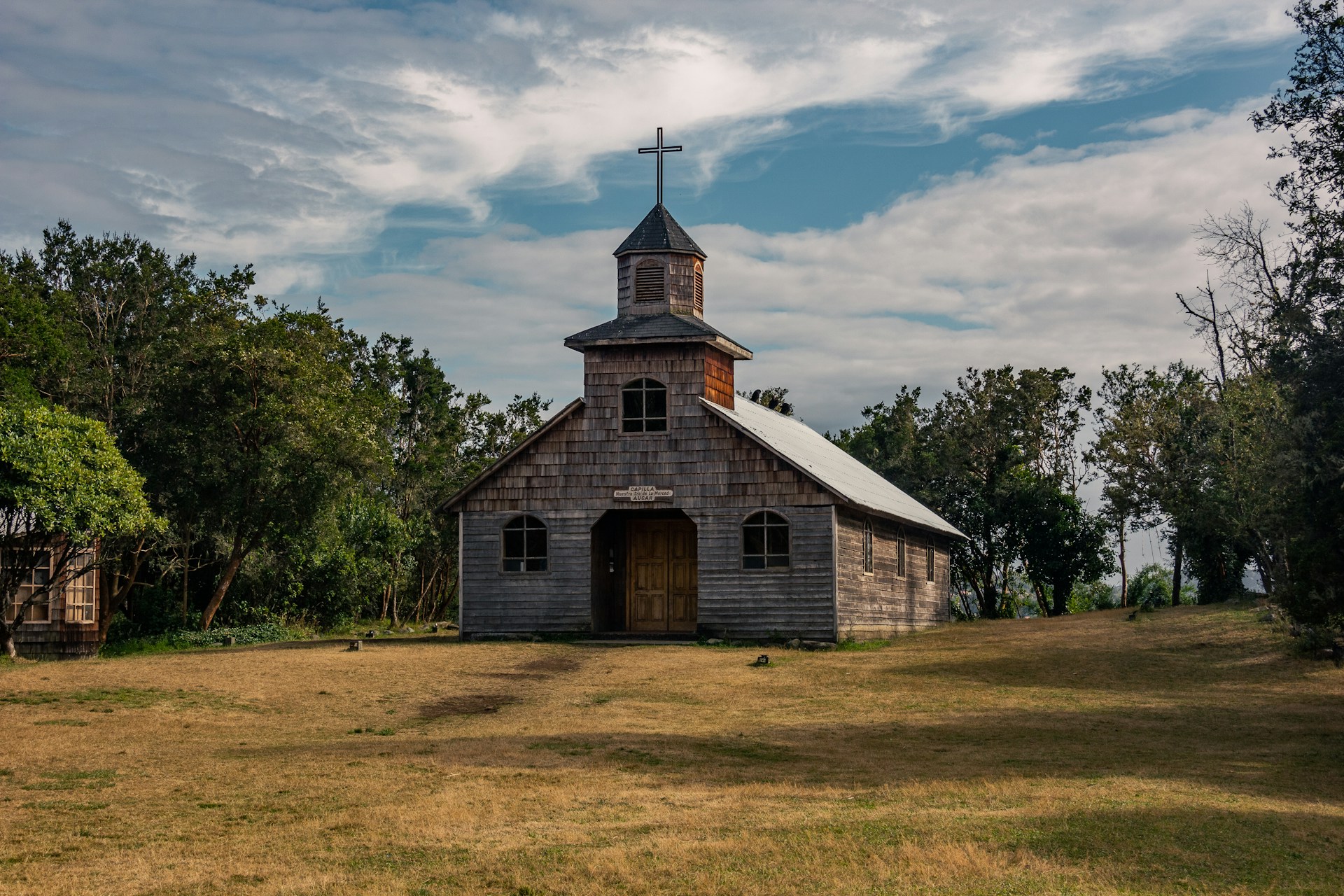
Southern Chile also bears the unmistakable influence of German immigration. From the mid-19th century, German settlers — part of a governmental strategy to boost the economy — established communities around Lake Llanquihue, Puerto Varas, Frutillar, and Valdivia. Their influence is visibly present in the architecture, gardens, and food of the region.
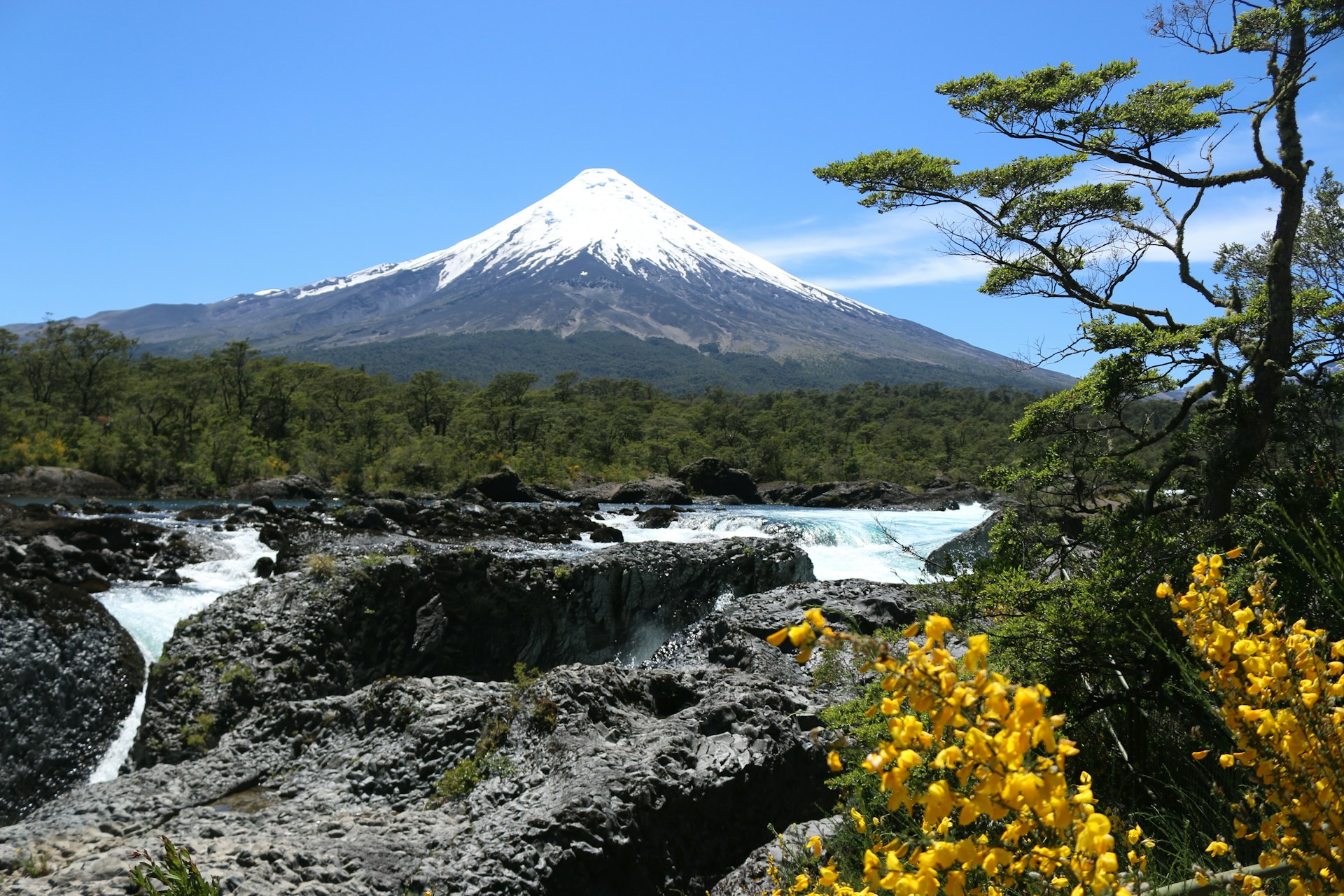
Puerto Varas, with views across the lake toward Volcán Osorno, is one of the most attractive bases for exploring the area. In nearby Frutillar, German-inspired architecture and musical traditions sit alongside Chilean culture, while bakeries and restaurants reflect the popularity of cakes, breads, and pastries brought by European settlers.
The Andes provide a spectacular backdrop to Los Lagos and Los Ríos, with a chain of volcanoes rising above the forests and lakes. Osorno, with its near-perfect snow-covered cone, is perhaps the most recognizable, while Villarrica, Calbuco, and Puntiagudo contribute to the dramatic scenery.
These volcanoes are also responsible for one of southern Chile’s greatest pastimes: thermal bathing. Geothermal waters emerge throughout the region, particularly around Pucón and the foothills of the Andes. After a day hiking through rainforest or skiing on a volcano, soaking in an outdoor thermal pool surrounded by forest is an almost quintessential southern Chile experience.
Hot springs range from rustic pools immersed in nature to sophisticated spa resorts such as the Termas Geometricas, making it easy to incorporate thermal bathing into either an adventure-focused or luxury itinerary.
Best explored with a private driver guide or rental vehicle, Los Ríos and Los Lagos reward slow exploration. Accessible via a short ferry ride, the island of Chiloé offers a unique experience shaped by wooden churches, colorful fishing houses called palafitos, fishing communities, and rich farming and seafood traditions. Spending a few days unwinding at Refugio Chiloè is the perfect antidote between the more intense regions of Atacama and Patagonia.
Contact Darby’s Destinations to design an itinerary in Patagonia and the Lake District.


.jpg)
Darby’s Destinations LLC, an accredited IATAN Travel Agency, located at 221 Tremont Street, Mansfield, MA 02048 USA. While our clients have had great experiences with the travel suppliers featured on this website, Darby’s Destinations LLC is not an employee, agent, or representative of these suppliers and, therefore, cannot make any promises regarding the service clients will receive with a particular supplier. Before booking a trip, clients are responsible for reviewing the services offered by the supplier, along with any terms, conditions, and exclusions.
Copyright © 2026, All Rights Reserved.
