

A walk on the Sicilian wild side.
September 11, 2026
Famed for its archaeological sites, volcanic landscapes, and Blue Flag beaches, Sicily makes for a diverse vacation in the Mediterranean. One of the island’s lesser-known regions falls between Palermo and Cefalù: the Madonie Mountains.
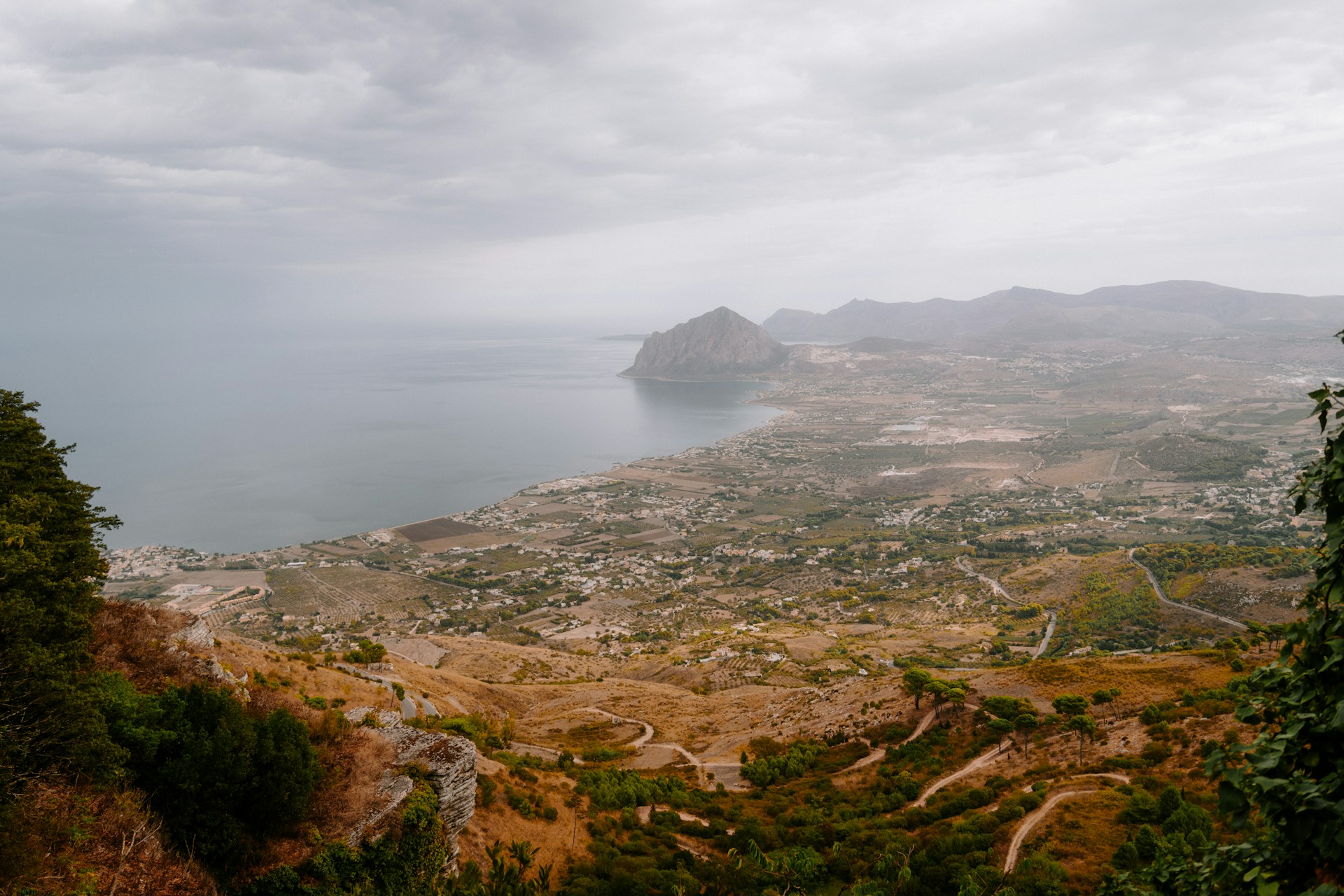
Le Madonie present a rugged landscape of limestone peaks, forests, and medieval villages linked by winding mountain roads. Often overlooked in favour of seaside spots, the Madonie offer an opportunity to see how Sicilian geology, food, and rural traditions are closely intertwined.
Covering around 155 square miles and encompassing 15 towns, the Madonie Regional Natural Park marks the heart of the region. A UNESCO Global Geopark, the park is recognized for its significant geological heritage stretching back over 220 million years. Layers of predominantly dolomitic limestone have been sculpted into these dramatic ridges, valleys, and karst formations.
This geology is what gives the Madonie their distinctive character. Mediterranean scrub covers the lower slopes, giving way to oak woodland and, higher up, beech forests. Close to 30 trails cross the park, inviting travelers to swap out a few hours of sunbathing for some nature bathing.
Food is a driving reason to venture inland. The Madonie’s mountain environment supports regional agriculture, with local products including cheeses, meats, grains, mushrooms, and wild herbs. Culinary exploration in Le Madonie can feel quite different from the island’s seaside resorts, with meals being closely connected to the landscape and to generations of rural knowledge.

The Madonie are home to atmospheric hill towns where churches, workshops, farms, and family-run food businesses expose the living culture of Sicily’s interior.
Surrounded by woodland at the foot of the mountains, Castelbuono is a natural base for exploring the region — starting with the medieval Castello dei Ventimiglia. Local cafés offer a taste of the region’s agricultural specialties and pastries infused with island-grown nuts and citrus fruits. The city is especially known for panettone and traditional Sicilian confectionery.
Further inland, Petralia Soprana occupies a picturesque position high above the unfolding countryside. This is one of the villages acknowledged by Italy’s Borghi più belli d’Italia, an association that stands for the “Most Beautiful Villages in Italy”. It is twinned with Petralia Sottana, another village fortified by the Normans which is equally joyful to meander on foot. Gangi is one of the Madonie’s most striking settlements, where stone houses climb the hillside beneath Mount Barone.
Just one hour east of Palermo, Cefalù is the gateway to the Madonie. Italy’s official tourism route through Cefalù and the Madonie also highlights the archaeological remains of ancient Himera, where the allied forces of Agrigento and Syracuse defeated the Carthaginians in 480 BCE. Less than three decades later, the Carthaginians returned and destroyed the city in an act of revenge.
For travelers eager to venture beyond the island’s headline attractions, Le Madonie reveals centuries of heritage and living traditions. The area is best explored with a private driver familiar with the region’s history and biodiversity. Contact Darby’s Destinations to design your itinerary.


.jpg)
Darby’s Destinations LLC, an accredited IATAN Travel Agency, located at 221 Tremont Street, Mansfield, MA 02048 USA. While our clients have had great experiences with the travel suppliers featured on this website, Darby’s Destinations LLC is not an employee, agent, or representative of these suppliers and, therefore, cannot make any promises regarding the service clients will receive with a particular supplier. Before booking a trip, clients are responsible for reviewing the services offered by the supplier, along with any terms, conditions, and exclusions.
Copyright © 2026, All Rights Reserved.
