

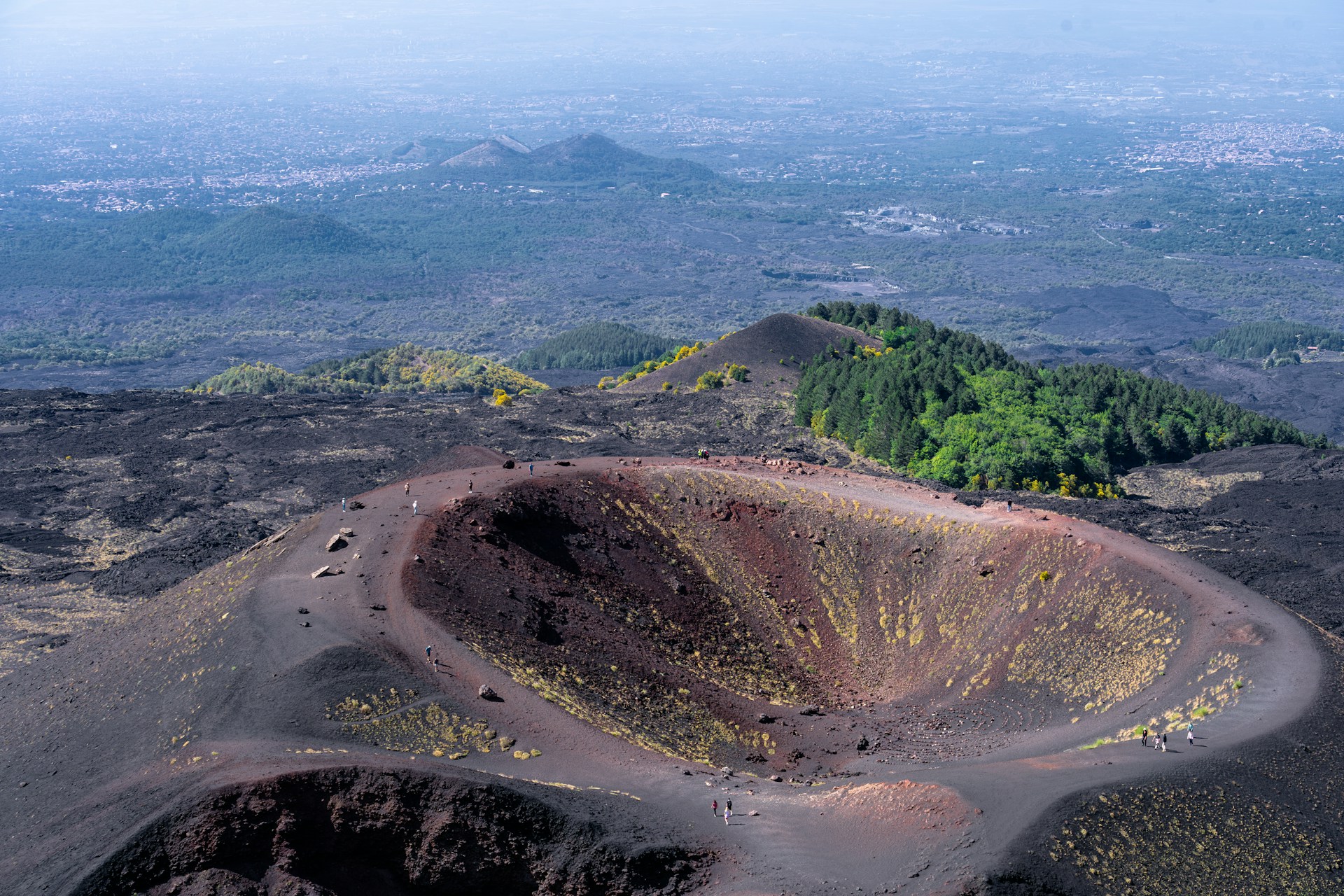
See how the slopes of Europe’s largest active volcano come alive with the annual wine harvest.
September 25, 2026
There is something remarkably atmospheric about visiting Sicily in early fall, as islanders pivot their attention from the beach to the vineyards and pastures. As the fierce summer heat softens and the countryside takes on warmer tones, the agricultural calendar enters one of its busiest periods. Around Mount Etna, the slopes of Europe’s largest active volcano come alive with the annual wine, fruit, and nut harvest.
The specific timing of Sicily’s wine harvest varies according to elevation, grape variety, weather, and location. However, much of the activity takes place in the early fall months of September and October — which are also the most interesting months for marveling at the volcanic scenery around Mount Etna and getting to grips with the island’s gastronomy.
Rising dramatically above eastern Sicily, the volcano is surrounded by lava fields, black soil, forests, medieval villages, and terraced agricultural land. The contrast between the dark earth and the Mediterranean vegetation is particularly striking in fall. Etna’s vineyards climb well above many Sicilian growing areas, so ripening is slower and harvest can extend later into the fall depending on the various microclimates.
A private excursion with a knowledgeable guide can reveal how generations of farmers and wine makers have adapted to cultivating this unusual terrain.
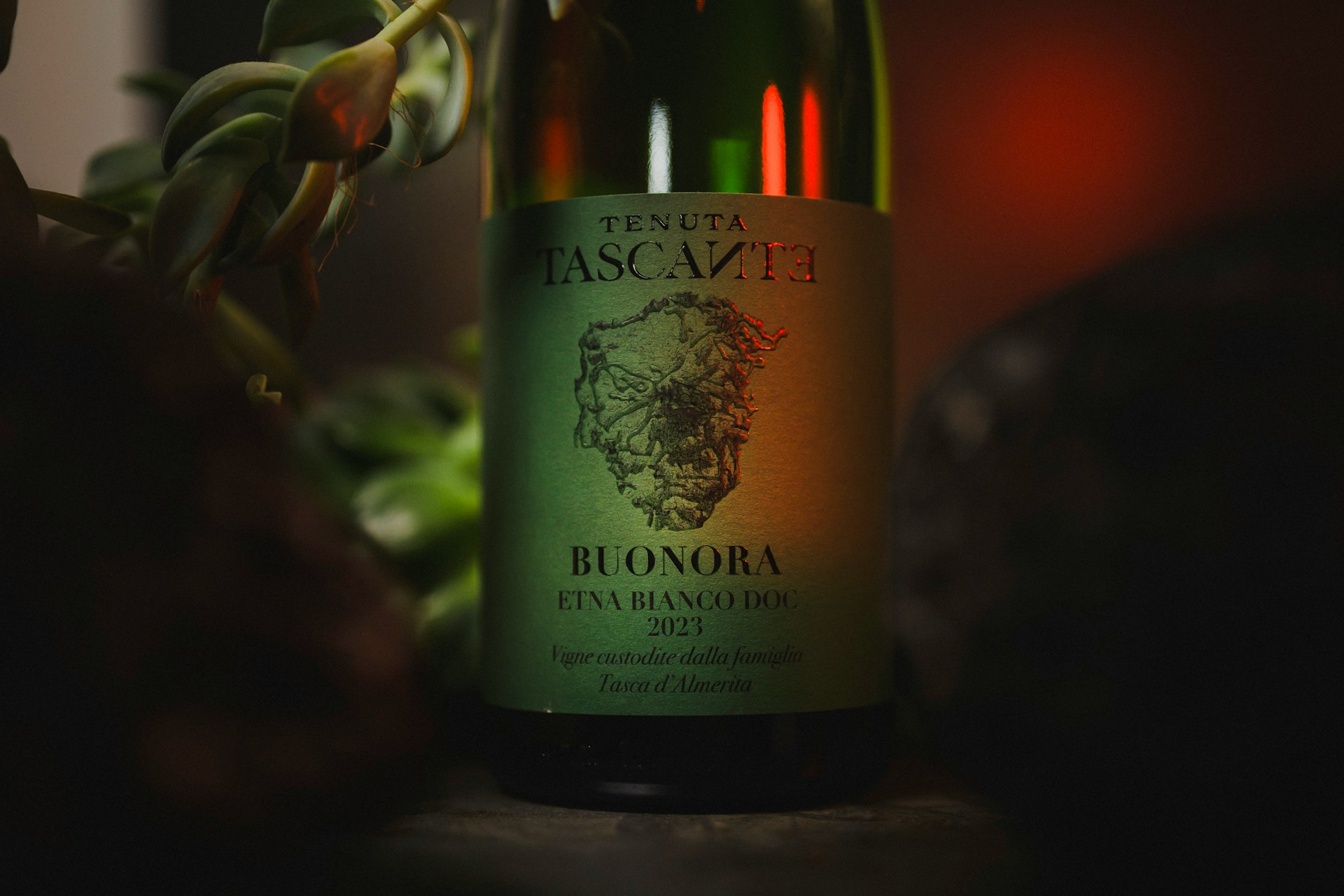
Sicily is particularly famous for having a wine-making heritage that predates the Romans, and for a number of indigenous grape varieties.
Etna Rosso, made on the slopes of Mount Etna, is one of the island’s most sought-after wines — crafted primarily from Nerello Mascalese. The high altitude and volcanic soils produce elegant, mineral-driven reds that can resemble some lighter northern Italian wines. These grapes are usually harvested at the end of September or early October.
Etna Bianco, the white counterpart, is primarily made from Carricante. These wines tend to be fresh, mineral, and citrusy. Harvest often starts earlier in September, but it can carry over into October.
In contrast, the harvest of Nero d’Avola (Sicily’s signature red grape) may start as early as late August/early September. This grape produces full-bodied reds with dark-fruit flavors, spice, and a good balance of acidity.
Fall is an appealing alternative for those looking to avoid traveling at the height of summer. Temperatures are more comfortable for outdoor exploration while Sicily’s cultural attractions are less crowded. This is an attractive period for combining Etna with Taormina, Syracuse, Noto, and the villages of southeastern Sicily, or for venturing into the Madonie Mountains.
Sicily’s agricultural identity extends far beyond vineyards. The island produces citrus fruits, olives, almonds, pistachios, chestnuts, wheat, tomatoes, and an extraordinary range of other seasonal produce — many of which are harvested at the same time as Etna’s wine harvest. Sicily food experiences such as visiting a family farm or exploring a market with a culinary expert offer a more intimate way to understand the landscape.
Contact Darby’s Destinations to design a Sicily travel itinerary to coincide with the Mount Etna wine harvest.


.jpg)
Darby’s Destinations LLC, an accredited IATAN Travel Agency, located at 221 Tremont Street, Mansfield, MA 02048 USA. While our clients have had great experiences with the travel suppliers featured on this website, Darby’s Destinations LLC is not an employee, agent, or representative of these suppliers and, therefore, cannot make any promises regarding the service clients will receive with a particular supplier. Before booking a trip, clients are responsible for reviewing the services offered by the supplier, along with any terms, conditions, and exclusions.
Copyright © 2026, All Rights Reserved.
